
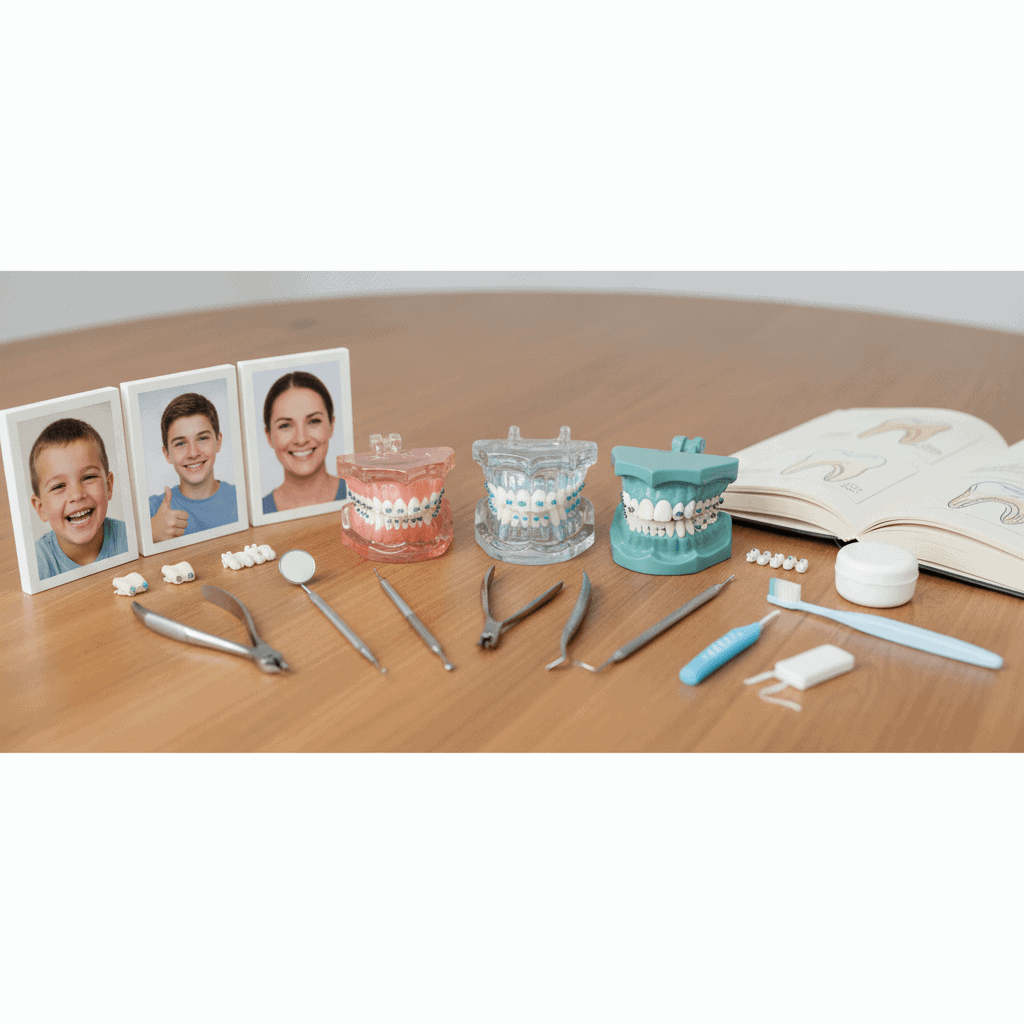
Your Comprehensive Guide to Orthodontic Services
Achieving a healthy, beautiful smile is more attainable than ever before. Many people dream of perfectly aligned teeth and a confident grin. Modern orthodontics makes this dream a reality for individuals of all ages. Gone are the days when traditional metal braces were the only option for correcting dental misalignments.
Today, a diverse range of treatments exists. These options cater to different needs and preferences. Understanding the various orthodontic services available is the first step toward transforming your smile. We are here to guide you through this journey.
This comprehensive guide will explore the world of orthodontic care. We will discuss common treatments, what to expect during your journey, and how to maintain your results. My goal is to equip you with the knowledge to make informed decisions about your oral health.
Understanding What Orthodontic Services Truly Offer
Orthodontics is a specialized field of dentistry. It focuses on diagnosing, preventing, and treating dental and facial irregularities. This is about more than just straight teeth. It is about creating a healthy bite and improving overall oral function.
A good bite means your upper and lower teeth fit together properly. This helps with chewing and speaking clearly. When teeth are misaligned, it can lead to problems like jaw pain, difficulty cleaning teeth, and uneven wear. Orthodontic services address these concerns head-on.
Early intervention can be a game changer. For children, orthodontists can guide jaw growth and make space for permanent teeth. This might prevent more complex issues later on. For adults, treatment can correct problems that were left untreated in youth or address shifts that have occurred over time.
The benefits extend beyond aesthetics. Proper alignment reduces the risk of cavities and gum disease. It eases chewing difficulties and can even improve speech. We see people gain immense confidence through their new smiles. It truly impacts their daily lives.
Common Orthodontic Treatments for All Ages
The landscape of orthodontic treatment has evolved significantly. Patients now have several effective choices. Each option offers unique advantages depending on the individual’s needs and lifestyle.
Traditional metal braces remain a highly effective solution. They use brackets bonded to the teeth and connected by a wire. Small elastic bands or ligatures hold the wire in place. Regular adjustments gradually move the teeth into their correct positions. These braces are durable and can correct even severe misalignments.
Clear aligners, such as Invisalign, are a popular alternative. They are custom-made, removable trays that fit snugly over the teeth. A series of aligners are worn, each for about one to two weeks, slowly shifting the teeth. Their nearly invisible nature makes them appealing for many adults and teens. They offer flexibility for eating and brushing.
Ceramic braces work much like metal braces. The difference is their clear or tooth-colored brackets. This makes them less noticeable. They are a good compromise for those who want a less visible option than metal braces but prefer the fixed nature of traditional orthodontics. However, ceramic can be more fragile than metal.
Lingual braces are another discreet option. These braces are custom-made and placed on the inside surface of the teeth. This makes them completely hidden from view. They are ideal for patients who want an invisible treatment option and do not mind the initial adjustment period for speech and comfort.
Braces for Children and Teens
Treatment for younger patients often focuses on guiding jaw development and ensuring proper eruption of permanent teeth. Early intervention sometimes starts with removable appliances. These tools can correct problems like crossbites or severe crowding. Comprehensive treatment typically begins in the early to mid-teen years, once most permanent teeth have come in.
Metal braces are very common among this age group. They are robust and can handle the demands of active lifestyles. Clear aligners are also an option for responsible teenagers. We always discuss the best approach with both the patient and their parents. Our goal is a healthy, stable bite for their future.
Adult Orthodontics
Adults seek orthodontic treatment for various reasons. Some want to correct issues that were not addressed in childhood. Others notice shifts in their teeth over time. Many adults choose clear aligners because of their aesthetic appeal. They are less disruptive to professional and social life.
Adult treatment may take longer than for younger patients. This is because adult bones are no longer growing. However, the outcomes are just as successful. I often see adults who are thrilled with their new smiles. It makes a significant difference in their self-esteem and oral health.
The Initial Consultation and Treatment Planning
Your journey into orthodontic services begins with an initial consultation. This first visit is crucial. It helps us understand your needs and determine the best course of action. I always look forward to meeting new patients and hearing about their smile goals.
During this appointment, we perform a thorough examination. This includes reviewing your dental and medical history. We will take X-rays and photographs of your teeth and jaw. Sometimes, digital scans are also taken. These diagnostic tools give us a complete picture of your oral structure and any underlying issues.
After the examination, I sit down with you to discuss the findings. We talk about potential treatment options. I explain what each treatment involves. We cover how long it might take. We also discuss what kind of results you can expect. This is a collaborative process because your input is very important.
We then create a personalized treatment plan. This plan is tailored specifically for your unique situation. It outlines the recommended appliances, the estimated treatment duration, and the overall cost. We want you to feel fully informed and comfortable with every step. My team and I are always ready to answer your questions.
The Importance of Specialized Orthodontic Care
When considering orthodontic treatment, choosing the right provider is a key decision. Many people wonder if they should see their general dentist or an orthodontic specialist. I always recommend a board-certified orthodontist for any significant tooth movement or bite correction.
Orthodontists complete an additional two to three years of specialized education after dental school. This rigorous training focuses solely on orthodontics. It covers facial growth and development. It also includes biomechanics of tooth movement and advanced treatment techniques. This depth of knowledge is essential for achieving optimal results.
A specialist understands the complexities of tooth movement. They can accurately diagnose and treat various malocclusions. They can also anticipate and manage potential challenges. This expertise ensures a safe and effective treatment process. It also helps achieve a stable and functional bite. I have seen countless cases where this specialized skill made all the difference.
They use advanced tools and techniques. This ensures precision in every aspect of treatment. An orthodontist also monitors your progress closely. They make adjustments as needed. This dedicated focus on straightening teeth and correcting bites provides the best possible outcome. Making the right choice for your care is important. Learning about the factors involved in choosing orthodontic services can help you feel confident in your decision.
Maintaining Your Smile During and After Treatment
The journey to a perfect smile does not end when your braces come off or your last aligner is discarded. Proper maintenance during and after treatment is essential. It protects your investment and ensures lasting results. I stress this importance to all my patients.
During treatment, maintaining excellent oral hygiene is critical. Braces create more places for food particles and plaque to hide. Brushing after every meal is a must. Using special tools like interdental brushes or floss threaders helps clean around brackets and wires. Clear aligners should be removed for eating and brushing. You also need to clean the aligners themselves.
Dietary adjustments are often necessary. Sticky, hard, or very chewy foods can damage braces. They can also dislodge wires. I advise patients to avoid things like popcorn, nuts, and chewing gum. This helps prevent unexpected emergency visits and keeps treatment on track.
After treatment, retainers become your best friend. Your teeth can shift back to their original positions if not held in place. This is called relapse. Wearing your retainer as instructed is the only way to prevent this. We offer both removable and fixed retainers. We work with you to choose the best type for your lifestyle.
Long-term care also includes regular dental check-ups. These appointments monitor your oral health. They ensure your retainer fits properly. They also allow us to address any new concerns. A lifelong commitment to oral hygiene and retainer wear is key to a beautiful, healthy smile for years to come.
Debunking Common Myths About Orthodontics
Many misconceptions surround orthodontic treatment. These myths can sometimes deter people from seeking the care they need. I want to clear up some of the most common misunderstandings I hear.
One prevalent myth is that orthodontics is only for kids. This is simply not true. About one in four orthodontic patients today are adults. We see people in their 20s, 30s, 40s, and beyond. Age is rarely a barrier to successful treatment. Healthy teeth can be moved at any age.
Another myth suggests that treatment is always painful. While some discomfort is normal after adjustments, significant pain is rare. Modern orthodontic techniques are gentler than ever. Pain relief methods are effective. Most patients report only mild soreness for a day or two after an adjustment. It is more of a pressure sensation.
Some people believe clear aligners work for everyone. While highly versatile, clear aligners are not always the best solution for very complex cases. Severe bite issues or significant rotations may still require traditional braces. An orthodontist can assess your specific needs and recommend the most effective treatment for you.
The cost of orthodontics is also a common concern. Many people think it is too expensive. The truth is that treatment fees vary widely. They depend on the complexity and duration of care. Many offices offer flexible payment plans. Dental insurance often covers a portion of the cost. Investing in your smile is an investment in your overall health and confidence.
Your Path to a Confident Smile Starts Today
Orthodontic services offer a proven path to a healthier, more confident smile. We have explored the various treatments available, from traditional braces to discreet clear aligners. We have discussed the importance of early intervention for younger patients and the growing popularity of adult orthodontics. Understanding the process from the initial consultation to the maintenance phase is crucial. We know that choosing a qualified orthodontic specialist ensures you receive expert care tailored to your unique needs.
My hope is that this guide has demystified the world of orthodontics for you. A beautiful smile is not just about looks. It significantly improves your oral health, chewing function, and overall well-being. The confidence that comes with a straight, healthy smile can open new doors in your personal and professional life. Do not let outdated ideas or misconceptions hold you back from achieving the smile you have always wanted. I encourage you to take that important first step. Reach out to a local orthodontic practice to schedule a consultation. Discover how professional orthodontic care can transform your smile and enhance your life.


